TRANSOR TALK November 26, 2025. 16-17 CET
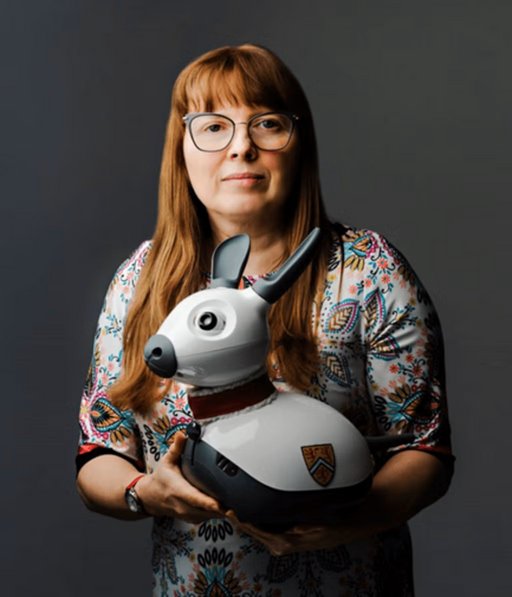
Kerstin Dautenhahn, Canada Research Chair in Socially Intelligent Robotics University of Waterloo, Canada,
Human-Centred and Biologically Inspired Studies with Social Robots
Abstract
Over the past 25+ years I've been involved in numerous projects studying human-robot interaction and social robotics. My talk will illustrate several projects that were either biologically inspired, or inspired by concepts and mechanisms in psychology or social sciences. In recent years one focus of my research has been on co-design for applications such as robot-assisted therapy for children with speech and language challenges. Such application oriented research needs to take a dedicated human-centred perspective and requires close collaboration with users and stakeholders who are involved at all stages of the research project. My talk will discuss challenges and opportunities of laboratory-based versus real-world, application focused research.
TRANSOR TALK September 25, 2025. 14-15 CEST
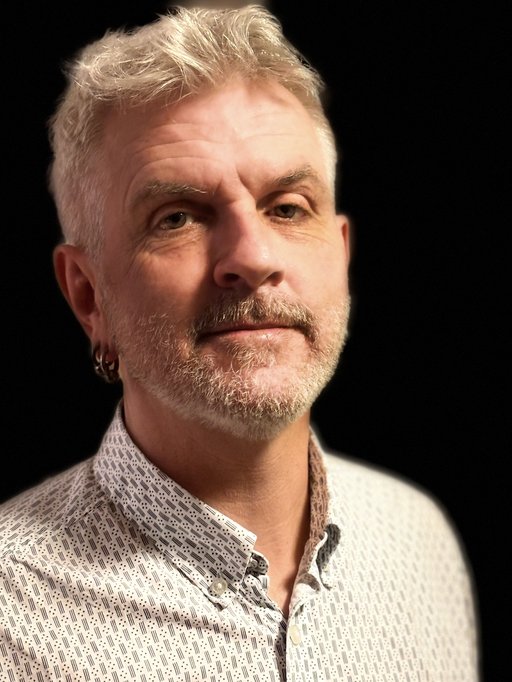
Robert Sparrow, Monash University, Australia
The limits of “meaningful human control”
Abstract
Frank Sauer has recently argued that the addition of autonomy to anti-vehicle mines will increase meaningful human control over the effects of these weapons. According to Sauer, “If done right, AI can make the use of anti-vehicle mines more compliant with international humanitarian law by reducing the risk of collateral damage.” Sauer’s claims are highly deserving of scrutiny in their own right. They are even more deserving of critical attention given Sauer’s historical association with—and intellectual and political stature within—the international campaign for robot arms control. The arguments he makes in support of this conclusion can easily be extended to loitering munitions and, I argue, to well-designed autonomous weapon systems (AWS) more generally. That Sauer has been brought, via a concern for meaningful human control, to concede pretty much everything that enthusiasts for autonomy have been saying for the last two decades demonstrates the limits of the language of “meaningful human control” when it comes to making the case for arms control of these systems. Those who wish to resist the introduction of AWS, would, I argue, be better advised to mobilise arguments about the implications of autonomy for respect for human dignity and about the risk of accidental war posed by the deployment of AWS.