Den arabiske verden er et stort sprog- og kulturområde, som omfatter mere end 20 lande, fra Oman i sydøst til Marokko i nordvest. Desuden er arabisk det sproglige udgangspunkt for islam, selvom de fleste af verdens muslimer lever uden for den arabiske verden.
På Arabisk- og islamstudier arbejder vi med Mellemøsten og Nordafrika som region, både historisk, politisk og kulturelt, ligesom vi arbejder med islam som en verdensomspændende religion med historisk og nutidig betydning både i den arabiske verden men også globalt, herunder i Danmark og Europa.
Uddannelsen i Arabisk- og islamstudier giver grundigt kendskab til den arabiske verden, med særlig vægt på moderne historie, politik og samfundsforhold, samt også arabiske og islamiske forhold i Danmark og globalt. Uddannelsen har særligt fokus på arabisk sprogtilegnelse, med udgangspunkt i moderne standardarabisk, og en del af uddannelsen foregår i den arabiske verden, i samarbejde med arabiske sprogskoler.
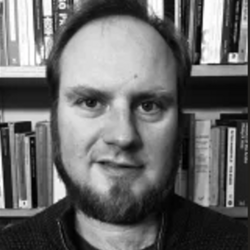
Academic Background:
I have my BA, MA and PhD from Anthropology at Arhus University. I completed my PhD in 2010. After some years working with Moesgaard Museum I was an assistant professor at Anthropology and the MA in Sustainable Heritage Management 2014-2017. I have been part of the Arab and Islamic Studies program since 2018, until 2026 based at the Department of the Study of Religion.
My research in a nutshell:
I have worked with the Arab Gulf states for more than 20 years, in particular Bahrain, Kuwait and most recently the United Arab Emirates. My focus is not least contemporary and everyday forms of religious life, particular among Shia Muslims, including religion and politics, and also religion and heritage. With a point of departure in the Gulf and Arab Peninsula I also work with the Indian Ocean as a (trans)region, involving East Africa and Mumbai/Gujerat, and I hope to do more of that. From 2021 to 2025 I was co-PI on the project ‘Constructing the Ocean’ (with Uwe Skoda as PI) focusing on the transregional infrastructures of the Shia Ismaili community of Dawoodi Bohras around the Western Indian Ocean.
What was it that initially sparked your interest in Arab and Islamic Studies?
My first encounter with the Arab Gulf states was in 2003, doing fieldwork for Moesgaard Museum. The museum has a long-standing relationship to the Gulf, going back to the 1950s. In my MA thesis I studied the local impact in Bahrain of this cooperation. This was also one of my first encounters with Islam, and not least the relations, similarities and differences between Sunni and Shia Islam and its consequences in politics as well as everyday life. This interest has driven my research from then on.
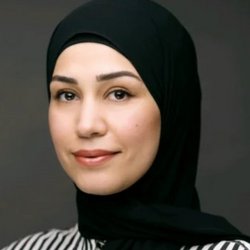
Academic Background:
Ph.D. in Anthropology (AU) and MA in Arab & Islamic studies (AU)
My research in a nutshell:
My research examines processes of social inclusion and belonging in contemporary welfare societies, with particular attention to minority-majority encounters at the intersections of religion, gender, generation, and migration. Through ethnographic studies of ethnic minority families, especially Muslim families, young people in Danish upper-secondary schools, and refugee and immigrant women’s pathways to employment, I analyse how everyday practices, moral frameworks, and institutional settings shape participation, recognition, and inequality. A core concern in my work is how both minority and majority actors navigate cultural differences and structural constraints within key social arenas such as family life, education, and the labour market. By linking lived experiences to broader welfare, integration, and diversity policies, my research contributes to sociological and anthropological debates on social cohesion, care, and social belonging in plural societies. https://pure.au.dk/portal/da/persons/abir-mohamad-ismail/projects/
If you would not be a researcher, what do you think would be your profession today and why?
If I were not a researcher, I think I would have become a state-authorized public accountant. I have always been interested in numbers and tax matters, not because I was naturally good at them, but because I believe I could have become good at it had I chosen that path. The combination of analytical work, structure, and societal relevance appeals to me, much like what I enjoy in research.
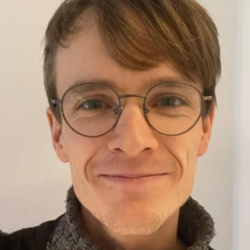
Academic Background:
I have my BA, MA and PhD in Arab and Islamic Studies from Aarhus University and work primarily as a historian, but increasingly so at the intersection of history and anthropology.
My research in a nutshell:
My research focuses on the intellectual, religious, political and environmental ties of the Middle East into the Indian Ocean arena, especially to India, East Africa and Japan. I did my PhD on Arab and Egyptian cultural imaginations of the larger “Orient” in the nineteenth and early twentieth century, and on how they were mobilized in service of pan-Eastern anticolonial political visions. My subsequent postdoc revolved around the Indian Ocean ties of the Da’udi Bohra Muslim community, connecting Cairo to Yemen, India, UAE, Tanzania and Kenya. Like in my PhD, I focused especially on Egypt – “mother of the world” (umm al-dunya) as it’s called in Egypt.
What was it that initially sparked your interest in Arab and Islamic Studies?
I first went to the Arab world (Egypt, Jordan and Lebanon) around the time of the so-called Arab Spring (2010-2012), drinking tea in endless quantities while speaking about politics, revolution and religion – things my suburban prejudices had not thought possible. I learned some Arabic and decided to learn more and therefore enrolled at Arab and Islamic Studies. Since then, I have travelled around the Middle East as well as living in Lebanon for longer periods. Now, I am lucky to do research on the region.
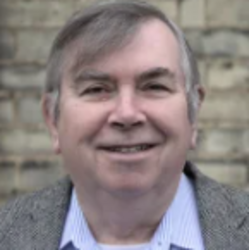
Academic background:
I started with Modern History at Oxford, and then did my PhD in History at the University of Bergen. My PhD involved fieldwork as well as documents, and although at heart I remain a historian, my approach is often multidisciplinary.
My research in a nutshell:
I did my PhD on the history of Sufism, and have been working on this topic ever since. Geographically, I started with the Arab world and Southeast Asia, and then branched out into Europe, with the result that Western Sufism became a major focus. One aspect of Western Sufism is a perennialist and antimodern school of thought known as Traditionalism, which has political as well as religious implications and applications that stretch beyond Islam, and my work on Traditionalism has taken me to Russia and Brazil among other places. I have a blog on Traditionalism at https://traditionalistblog.blogspot.com/
What was it that initially sparked your interest in Arab and Islamic Studies?
I almost did a PhD on the economic history of Latin America, but for complicated reasons found myself in Cairo, where I ended up spending twenty years. It was Cairo and the people I met there that fed my interest in Sufism, Islam, the Middle East, and finally the global exchange and development of ideas. This even led me back to Latin America in the end, interviewing Sufis, not economists.

Academic background:
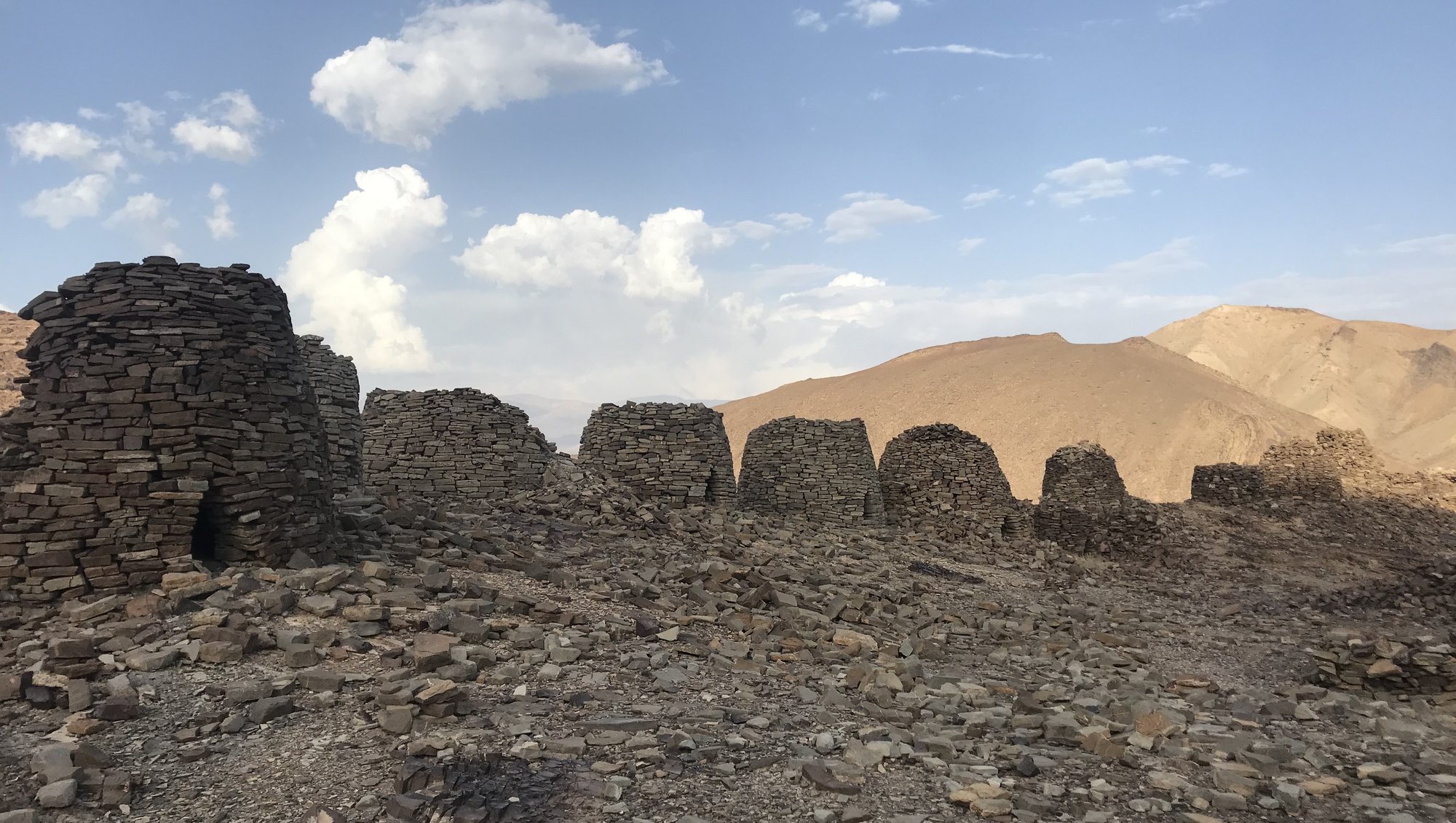
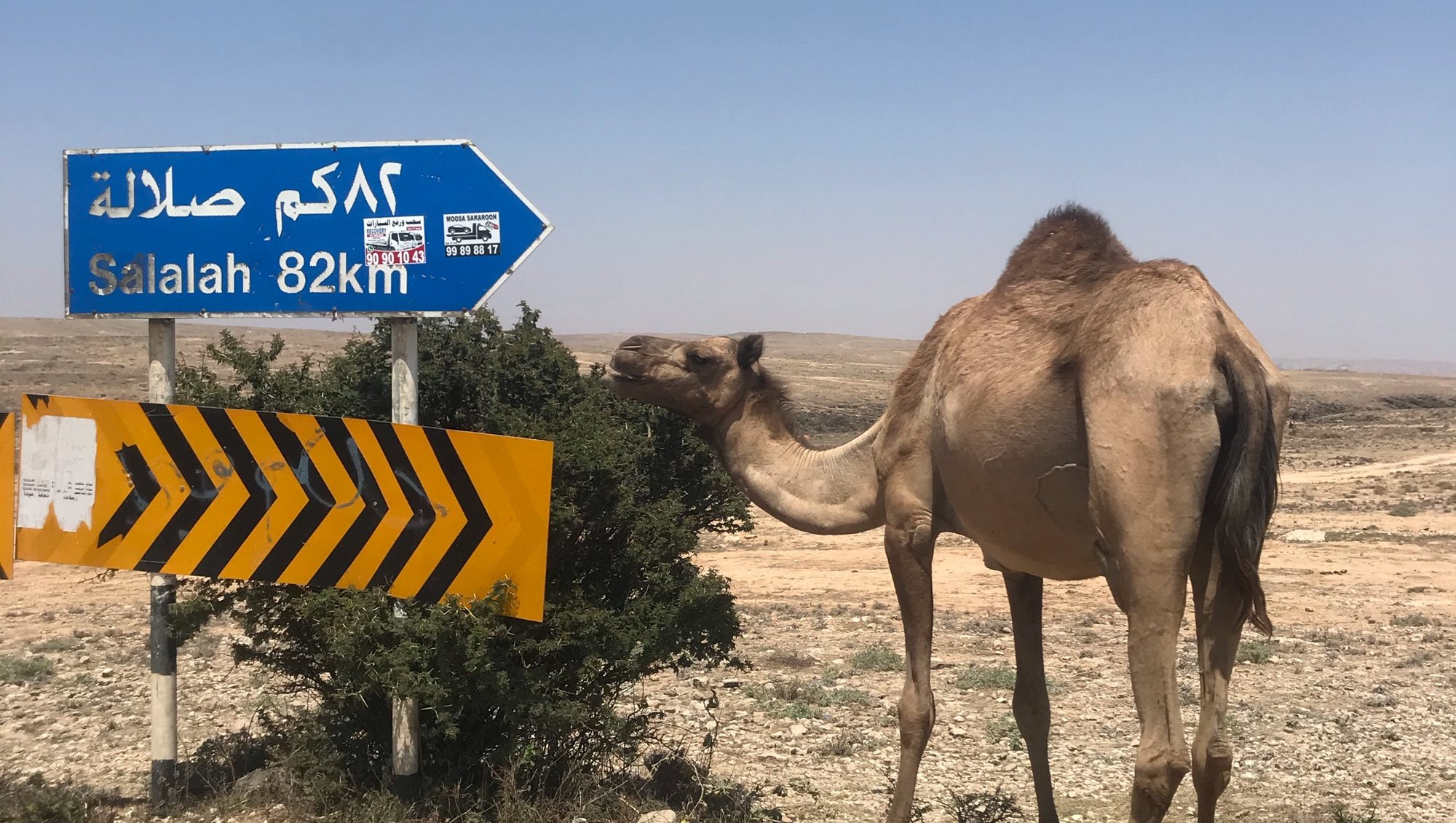
I have a background in Arab and Islamic studies from Aarhus University which I started in 2019. I am now a PhD student at the department of Global Studies. During my studies I have spent time in Palestine, Oman and Jordan.
My research in a nutshell:
My research is focused on exploring how gender/sexuality and religiosity and faith are mutually affected and how different factors shape an individual’s experience of the self, relations to others, communities and wider society. I work ethnographically and use interviews as snapshots of my collaborators’ worldviews. I am theoretically oriented towards feminist and queer theory and work within religious sociological frameworks to widen the field of religious studies to include the marginal and minorized believers.
What is your favorite place in the world and why?
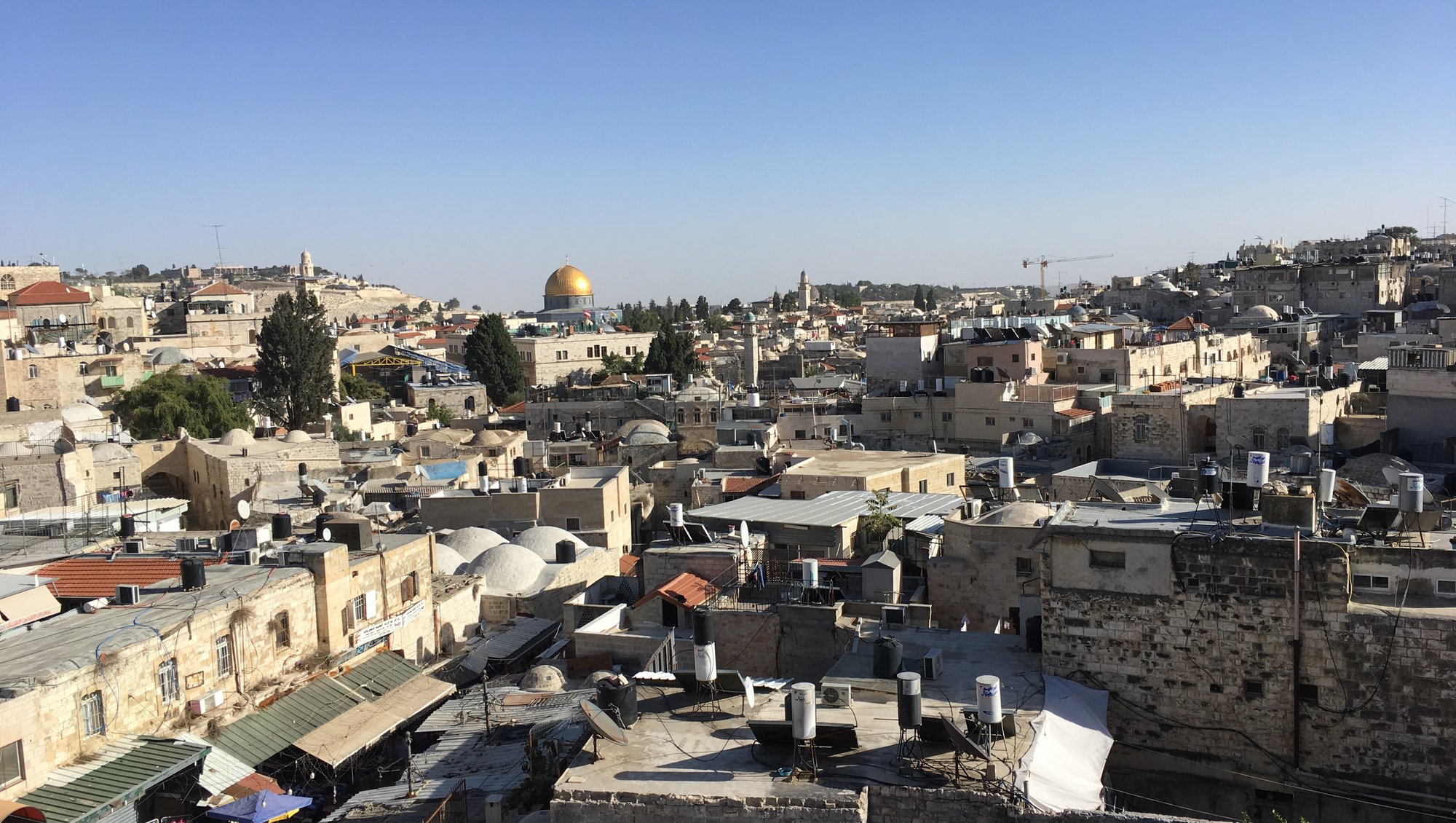
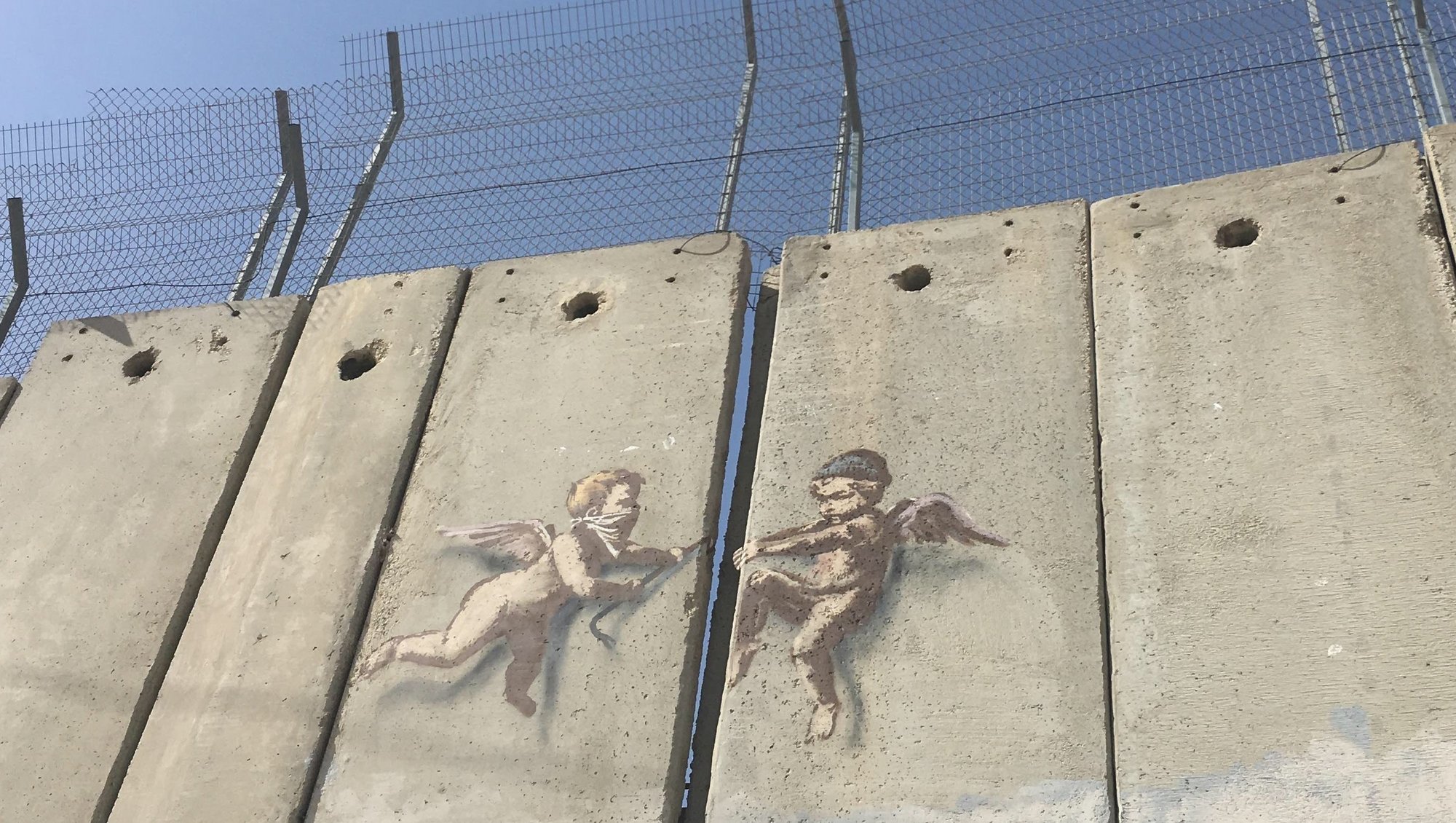
My favourite place in the Arabic countries I’ve visited is Beit Sahour, a little suburb to Bethlehem, Palestine, where I lived for about a year and consider it my second home. Beit Sahour is a quiet yet busy society where churches and mosques of many different groups and subgroups co-exist and where it is hard not to feel welcome. It was where I learnt my first Arabic words, had maqluba for the first time and where I hope to take my family one day.